Health and Safety Policy for Removal Office Operations
 Purpose and commitment: This Health and Safety policy sets out the core principles and practical steps for a professional Removal Office or relocation team to protect employees, clients and the workplace environment during all removal activities. It affirms a continuing commitment to maintaining safe working conditions and ensuring that office removals, packing, vehicle loading and site access are managed to reduce injury, illness and property damage. The document applies to the removal company, moving staff and contracted handlers engaged in office relocation tasks.
Scope and responsibilities
The policy covers all aspects of office removal work including pre-move surveys, packing of sensitive equipment, dismantling and reassembly of furniture, transportation and handover. Key responsibilities are allocated to managers, supervisors and individual crew members. Managers will ensure risk assessments are completed and controls implemented; supervisors will enforce safe working procedures; employees are responsible for following instructions, using provided equipment and reporting hazards promptly.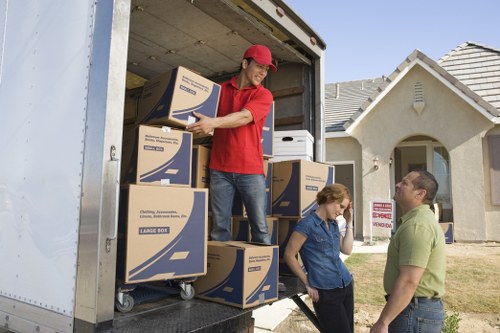 Principles for safe removals: All staff involved in office moves will adhere to standard safe systems of work. This includes planning lifts, using appropriate mechanical aids, maintaining clear walkways and securing loads within removal vehicles. The removal office team will prioritize ergonomics, implement manual-handling controls and reduce repetitive strain through task rotation. Safety will be promoted through regular briefings, clear signage and visible leadership.
Risk assessment and control measures
A dynamic risk assessment process will be used for each relocation project. Before work begins, a site inspection will identify trip hazards, restricted access points, fragile items and any environmental hazards. Identified risks will be controlled by substitution of methods, engineering controls, administrative actions and personal protective equipment (PPE). The removal services will document significant risks and ensure that control measures are monitored and reviewed. Safe work procedures and standards: The following measures form the foundation of safe removal operations:
- Pre-move planning: clear schedules, route checks and allocation of tasks to competent staff;
- Packing and handling: secure packing, labelling of fragile items and use of trolleys, dollies and pallet trucks where appropriate;
- Vehicle safety: proper load restraint, regular vehicle checks and adherence to safe driving standards during transports;
- Manual handling precautions: team lifts for heavy loads, mechanical aids, and training on correct lifting techniques;
- Site control: cordons around high-risk zones, tidy work areas and provision of adequate lighting.
All procedures will be recorded and communicated. Incident reporting protocols will be simple and accessible so that near-misses and accidents are reported without delay, enabling timely investigation and corrective action.
Training, competency and supervision: The removal office will maintain a programme of induction and ongoing training for all personnel. Training covers manual handling, vehicle safety, use of lifting equipment, safe packing of IT and laboratory or specialist kit, and first aid basics. Supervisors are responsible for verifying competency and providing on-the-job coaching. Regular toolbox talks will reinforce safe behaviour and ensure the removal team remains informed about changes to procedures.
 Equipment, maintenance and hygiene: All lifting equipment, protective devices and moving aids will be maintained in good condition and inspected in line with manufacturer recommendations. Cleaning and sanitisation of reusable materials (blankets, straps, trolleys) will be routine to protect health and reduce cross-contamination risks. Storage of chemicals, batteries and other hazardous materials will follow safety data and segregation principles to prevent accidental exposure.
 Emergencies, first aid and wellbeing: Emergency plans will be in place for incidents such as injuries, vehicle breakdowns or dangerous spillages during moves. First aid provisions will be available at sites and staff will know escalation routes for urgent medical help. The policy recognises mental wellbeing as part of health and ensures that workload planning, rest breaks and support mechanisms are available to help staff manage stress linked to tight move schedules.
Monitoring, review and continuous improvement: Performance will be monitored through routine inspections, incident analysis and staff feedback. Key indicators such as accident frequency, near-miss reports and compliance with pre-move checklists will inform management reviews. Lessons learned from operations will be embedded into procedures and training to drive continuous improvement of the office removal service.
Employee involvement: Persons undertaking removal tasks are encouraged to participate in safety meetings and to propose practical improvements. A positive safety culture is supported where staff feel empowered to stop unsafe work and suggest safer ways to perform tasks.
The policy will be reviewed periodically and after any significant incident or operational change. Signatures or authorisations will confirm acceptance of responsibilities at management level and the policy will be communicated to all team members and appropriate stakeholders to ensure consistent application across all office relocation activities.