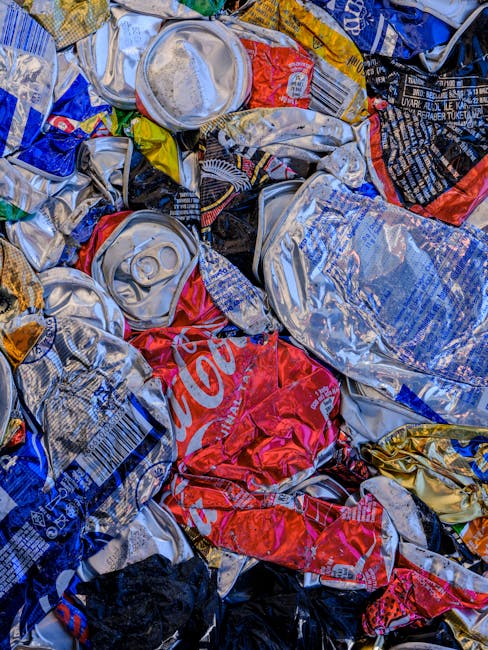
Zero-waste removals: sustainable materials and disposal tips
Moving house or relocating a business usually creates more waste than people expect. Cardboard piles up, bubble wrap appears everywhere, old furniture gets pushed to the side, and the bin bags somehow multiply overnight. The good news is that zero-waste removals: sustainable materials and disposal tips can make the whole process calmer, cleaner, and a lot more responsible. You do not need a perfect, magazine-worthy move to make a real difference. Small choices add up quickly.
In practice, a lower-waste move is about three things: using reusable or recyclable materials, sorting items before moving day, and disposing of unwanted goods in the right way. That might sound simple, but there are plenty of little decisions where waste creeps in. Which boxes should you keep? What can be donated? What should go to recycling, and what really needs specialist disposal? This guide walks through all of it in plain English, with practical steps you can actually use.
If you are planning a home move, office relocation, or a mixed clear-out, the aim is the same: move only what matters, keep materials in circulation for as long as possible, and avoid dumping usable items. Truth be told, that usually saves time as well as hassle.
Why zero-waste removals matter
A typical move generates waste in a few predictable places: packaging, unwanted furniture, broken household items, paperwork, old cables, and those odd bits you uncover at the back of a cupboard and think, "well, that's been there a while." The problem is not just volume. It is what happens next. If reusable items go in the bin, they often end up in landfill or the wrong waste stream, and that creates avoidable cost and environmental impact.
Zero-waste removals are not about being flawless. They are about reducing avoidable waste at each stage of the move. That includes choosing better packing materials, reusing what you already have, and arranging the disposal of unwanted items thoughtfully. It is especially useful in the UK, where recycling rules can vary by council and where many people need a practical plan rather than a perfect one.
For businesses, the case is even stronger. A commercial move can involve desks, chairs, IT equipment, archives, displays, and packaging from deliveries. Without a simple system, useful items get mixed in with broken ones, and time gets lost. A sensible sustainable move plan keeps things moving. Literally.
There is also a trust angle. People increasingly want to know that their removals provider handles goods carefully, disposes of waste responsibly, and respects both safety and data security. If you are comparing services, pages like our recycling and sustainability approach and insurance and safety information can help you understand how those standards are handled in real life.
How zero-waste removals works
A zero-waste or low-waste removal starts before the van arrives. The main idea is to reduce, reuse, recycle, and dispose properly in that order. That sequence matters. If you begin with disposal, you miss the chance to keep items in use longer.
In practical terms, the process usually looks like this:
- Assess what you actually need to move. Separate keep, donate, sell, recycle, and dispose piles early.
- Choose reusable packing materials. Think sturdy crates, second-hand boxes, reusable wraps, and paper-based fillers.
- Protect fragile items without overpacking. Use just enough material to stop damage, not layers for the sake of it.
- Plan disposal by material type. Wood, metal, cardboard, textiles, electricals, and confidential documents may all need different handling.
- Book the right moving support. The size of the job matters. A compact move may suit a man and van service, while a larger home or office clear-out may need a bigger vehicle or specialist help.
What tends to surprise people is how much waste can be avoided with one simple rule: do the declutter before the packing starts. Not during it. Not after a box is sealed. Before. Once you start packing without sorting, the junk sneaks along for the ride.
For home moves, services such as home moves or house removalists can be paired with a careful pre-move sort, so you are not paying to transport things you did not even want. For offices, office relocation services and commercial moves are often the right base for a tidier, better organised transition.
Key benefits and practical advantages
There are environmental benefits, of course, but the day-to-day advantages are just as important. A lower-waste move often feels easier because there is less clutter to manage and fewer decisions left until the last minute.
- Less packaging waste: Reusable crates and durable packing materials reduce the mountain of disposable wrap and tape.
- Lower disposal costs: Fewer mixed waste loads usually mean less sorting and less chance of paying to throw away reusable items.
- Better organisation: Sorting items by keep, donate, recycle, and bin streamlines the move.
- Reduced damage risk: Quality packing and proper handling mean fewer broken items.
- More responsible disposal: Electricals, furniture, and sensitive documents can be handled appropriately.
- Better brand and household reputation: For businesses and landlords, sustainable removals send the right message.
There is also a quieter benefit people do not always mention: less emotional noise. A move already has enough going on. When you are not surrounded by random waste, the whole thing feels more controlled. A bit calmer. A bit less frantic. And that matters on moving day.
Who this is for and when it makes sense
This approach is useful for almost anyone, but it is especially relevant in a few common situations.
Home movers who want a clean start
If you are moving house and clearing out rooms, lofts, sheds, or garages, a zero-waste approach helps you avoid transporting clutter into your next place. It is a good fit if you are downsizing, combining households, or simply tired of owning three boxes of things you never use.
Offices and commercial premises
Businesses often have more packing materials, more fixtures, and more chances for useful items to be reused. A careful sort can divert furniture, stationery, and equipment from landfill. If your move involves sensitive items, it is also worth thinking about data-bearing devices and confidential paperwork as part of the disposal plan.
People clearing one-off bulky items
Maybe it is a sofa, a dining table, a wardrobe, or an old bed frame. In those situations, a targeted collection can make more sense than waiting for council collection slots or leaving things stacked in the hall. Services such as furniture pick-up can be useful when you need bulky items removed responsibly.
Anyone trying to move with less stress
To be fair, the sustainability angle is not the only reason people do this. Less waste usually means less clutter. Less clutter means fewer boxes. Fewer boxes means a simpler move. It all feeds into itself nicely.
Step-by-step guidance
If you want a practical route through the process, follow these steps. They work just as well for flats and family homes as they do for small offices.
- Start with a room-by-room sort. Don't try to tackle the whole property in one heroic burst. Kitchens, wardrobes, storage cupboards, and workspaces each produce different types of waste.
- Create five clear categories. Keep, donate, sell, recycle, and dispose. Keep the labels visible so the sorting does not drift.
- Check what can be reused first. Boxes, bubble wrap, foam inserts, wardrobe bags, blankets, and crates can often be reused for the move itself or by someone else later.
- Choose sustainable packing materials. Recycled cardboard, paper tape, corrugated cardboard sheets, reusable crates, and biodegradable fillers are useful alternatives. For fragile items, paper-based padding is often enough if you pack sensibly.
- Bundle recyclables by material. Flatten cardboard, tie paper together where appropriate, and keep metal, textiles, and plastics separate if your local system requires it.
- Set aside special items early. Batteries, paint, electricals, light bulbs, and confidential documents should not be mixed into general waste.
- Arrange collection or transport. If you need help moving selected items, a flexible service like man with van support or removal truck hire can help you move only what is genuinely going.
- Dispose of the rest properly. Take recyclable and reusable items to the right destination. If an item is damaged beyond use, make sure it enters the correct waste route rather than the nearest black bag.
A small real-world example: a family moving from a three-bedroom terrace in South London may clear out old toys, worn towels, spare kitchenware, and a few flat-pack shelves. The shelves can sometimes be broken down for recycling if the material stream allows it, while the towels could be donated if clean and in reasonable condition. That one pass through the house can halve the number of boxes. Sometimes more.
Expert tips for better results
Once the basics are in place, a few small habits make a big difference. These are the things people learn after doing enough moves to know what causes headaches.
- Use what you already own before buying anything new. Suitcases, laundry baskets, storage tubs, and duffel bags all transport household goods well.
- Wrap smart, not heavily. Overpacking is common. A mug does not need to be cocooned like museum glass unless it is truly delicate.
- Label by destination, not just room. "Keep", "Donate", "Recycle", and "Fragile" labels save time later.
- Break down cardboard as you go. Flat cardboard takes less space, is easier to handle, and is more likely to be recycled cleanly.
- Keep a small reuse box. Things like cable ties, spare tape rolls, marker pens, and packing paper can be used again in the next move or storage job.
- Protect floors and doorways with reusable coverings. This reduces damage and cuts down on throwaway plastic sheeting.
- Ask about waste handling before moving day. A good provider should be able to explain what can be collected, reused, recycled, or sent to specialist disposal routes.
If you are booking a team to help, it is also worth checking the practical details around scheduling, pricing, and support. Pages such as pricing and quotes and packing and unpacking services can help you plan a smoother job without guesswork. That bit alone can save a surprising amount of stress.
One more thing: keep a small donation corner near the front door for a week or two before the move. It sounds simple, but that little pile has a habit of growing quietly in the background. Handy, that.
Common mistakes to avoid
Even well-intentioned moves go wrong in the same few ways. If you can dodge these, you are already ahead of the game.
- Waiting until packing day to sort. By then, everything gets bundled together and waste reduction becomes much harder.
- Mixing recyclables with general rubbish. One contaminated bag can ruin an otherwise useful load.
- Throwing away reusable furniture too quickly. A chair with a loose screw may only need repair, not disposal.
- Using only single-use packing materials. Plenty of items can be packed with reusable crates, blankets, or repurposed boxes.
- Ignoring electrical and battery waste. These items often need separate handling.
- Overordering packing supplies. It is easy to do. Really easy. People see a large online pack and think, "that should be enough," then half of it never gets touched.
- Not checking local council or facility guidance. Recycling rules vary, so assumptions can lead to rejected loads.
The biggest mistake, though, is treating sustainability as an extra task rather than part of the move itself. It works best when it is folded into the plan from day one.
Tools, resources and recommendations
You do not need a complicated toolkit to make a move lower waste. A few basic items and sensible local resources will cover most situations.
| Item or resource | Why it helps | Best use |
|---|---|---|
| Reusable crates | Reduce cardboard waste and protect contents well | Books, kitchenware, office supplies |
| Recycled cardboard boxes | Widely available and recyclable again if kept clean | General household or office packing |
| Paper tape | Simplifies recycling compared with heavy plastic tape use | Sealing light to medium boxes |
| Blankets and wraps | Protects furniture without single-use plastic | Tables, mirrors, appliances |
| Donation routes | Keep usable items in circulation | Furniture, homeware, clothing |
| Local recycling guidance | Helps prevent contamination and rejected waste | Paper, cardboard, textiles, mixed materials |
For larger jobs, moving support can make a huge difference. A compact flat move may only need a moving truck, while a bigger household or office may be better served by a more flexible collection or hire option. If you are unsure, speaking with a team directly is often the fastest route. You can also use the contact page to ask about collections, disposal support, or timing.
And if you need a broader view of the service standards behind the move, it is worth looking at about the company as well. Background matters. Not in a fancy way, just in a real-world "can I trust these people with my stuff?" way.
Law, compliance, standards and best practice
This part needs a careful, practical approach. Waste, transport, and disposal can involve local rules, duty of care expectations, and safety considerations. Exact requirements depend on what you are disposing of, where you are located, and who is handling it. For that reason, it is best to treat this section as general best practice rather than legal advice.
In the UK, the broad principle is straightforward: householders and businesses should avoid fly-tipping, use authorised disposal routes where needed, and ensure waste is handled safely. For commercial moves, that matters even more. Items such as electrical equipment, confidential documents, and business records may need extra care. If you are moving an office, the safe handling of equipment and furniture should be coordinated with a clear process. A page like health and safety policy can be a useful sign that safety is part of the standard operating approach.
Best practice usually includes the following:
- Keep recyclable, reusable, and waste items separated where possible.
- Use reputable disposal routes for electricals, batteries, and hazardous items.
- Do not place confidential documents into general waste if secure disposal is required.
- Check whether furniture or bulky items can be collected for reuse or onward recycling first.
- Make sure movers are clear on what they are and are not transporting.
If the move includes commercial stock, office archives, or specialist equipment, it is wise to ask questions early. That is not being fussy. It is just sensible.
Options, methods and comparison table
There is no single perfect way to manage a low-waste removal. The right choice depends on the property size, the amount of waste, and how much time you have before moving day.
| Method | Best for | Pros | Trade-offs |
|---|---|---|---|
| DIY sorting and disposal | Small moves, simple clear-outs | Full control, low cost, flexible timing | More time, more lifting, more trips |
| Man and van support | Medium moves, mixed items, local collections | Flexible, practical, efficient for smaller loads | May need planning for bulky or many items |
| Dedicated removal truck or larger service | Full house or office moves | Better capacity, easier scheduling, fewer journeys | Usually more involved to arrange |
| Reuse and donation first | Good-quality furniture and homeware | Reduces waste, helps others, lowers disposal volume | Needs early sorting and collection planning |
| Specialist disposal for certain items | Electricals, hazardous materials, confidential waste | Safer and more compliant | May take extra time or have strict rules |
For most people, the sweet spot is a mix: reuse what you can, recycle what fits the rules, and use a professional collection for the rest. That combination tends to be the least stressful, which honestly is a big part of the win.
Case study or real-world example
Here is a realistic example drawn from the sort of move many people face. A small creative agency in London is moving from a shared workspace into a new office. They have desks, chairs, monitors, shelving, a box of cables nobody can fully identify, and several bags of stationery.
Instead of packing everything into mixed boxes, they sort items into four groups a week before move day:
- Reuse: desks, chairs, whiteboards, monitor arms, storage tubs
- Donate or pass on: duplicate chairs, spare office supplies, a filing cabinet no longer needed
- Recycle: cardboard packaging, clean paper waste, certain broken office accessories
- Dispose properly: damaged cables, non-working electronics, worn-out items beyond reuse
They book help with the move and use a tidy packing plan instead of stuffing everything into random boxes. The office ends up with fewer bags of general waste, less confusion on the day, and a much cleaner handover. Not glamorous, but effective. And the new space feels better from the start because it is not full of junk they never wanted anyway.
That is the real power of sustainable removals: less waste, better organisation, and a move that does not leave you with a second job afterwards.
Practical checklist
Use this as a simple pre-move reference. It works well on paper, pinned to the fridge, or tucked into your notes app.
- Sort every room into keep, donate, recycle, and dispose piles.
- Use reusable boxes, crates, bags, and blankets wherever possible.
- Reserve separate containers for cardboard, paper, textiles, and electricals.
- Check whether local recycling guidance applies to your materials.
- Remove batteries and other special items from devices before packing where appropriate.
- Set aside anything that needs secure disposal, such as documents or storage media.
- Book the right moving support for the size of the job.
- Ask about collection options for furniture and bulky items.
- Keep donation items clean, complete, and ready to go.
- Do a final sweep before loading the van so nothing useful is accidentally binned.
Expert summary: the most sustainable move is usually not the one with the fanciest materials. It is the one where you move less, reuse more, and dispose of the rest in a properly sorted way. Simple enough to say. Very satisfying to do.
Conclusion
Zero-waste removals are really about moving with intention. When you choose sustainable packing materials, separate reusable items early, and dispose of the rest responsibly, you reduce clutter and make the whole experience easier on yourself. That applies whether you are moving a flat, a family home, a shop, or a full office.
The best results usually come from a practical mix: reuse what is already available, recycle clean materials correctly, donate where possible, and use the right removal support for bulky or awkward items. If you are planning a move soon, start with the sort, then think about the boxes. It changes everything. A little. But enough.
If you want help planning a cleaner, lower-waste move, it is worth exploring the service options, checking the sustainability guidance, and asking questions before the moving date arrives. A calm, well-organised move is not a luxury. It is absolutely possible.
Get a free quote today and see how much you can save.
Frequently Asked Questions
What does zero-waste removals actually mean?
It means planning a move so you reduce avoidable waste, reuse packing materials where possible, recycle correctly, and only dispose of what truly cannot be kept in circulation. It is more about better decisions than perfection.
What are the best sustainable packing materials for a move?
Reusable crates, recycled cardboard boxes, paper tape, blankets, and paper-based padding are all strong choices. The best option depends on what you are packing, but reusable materials usually give the best balance of protection and low waste.
Can I reuse old cardboard boxes for removals?
Yes, as long as they are dry, clean, and still strong enough to hold the contents. Avoid boxes that are crushed, damp, or weakened at the seams. They tend to fail at the worst possible moment, usually halfway down the stairs.
How do I dispose of furniture responsibly before moving?
Start by checking whether the furniture can be reused, donated, or collected for a pick-up service. If it is damaged beyond use, make sure it goes through the correct bulky waste or recycling route rather than general rubbish.
What should I do with old electrical items during a move?
Keep electrical items separate from general waste. Depending on their condition, they may be suitable for reuse, recycling, or specialist disposal. Batteries should be removed where appropriate and handled carefully.
Is a man and van service suitable for eco-friendly removals?
It can be, especially for smaller moves or targeted collections where you are moving only selected items. The key is to sort everything properly first so the trip is efficient and you are not transporting clutter you no longer want.
How can I reduce waste when packing a house move?
Declutter early, use what you already own, avoid overbuying packing supplies, and keep donation and recycling piles separate. Packing by destination helps too, because it stops useful items from getting mixed into waste.
What happens to items that cannot be donated or recycled?
They should be disposed of through the correct waste route for that material. For some items, especially hazardous or special waste, this may involve a specialist service rather than standard bin collection.
Are there rules I need to follow for office waste during relocation?
Yes, businesses should be especially careful with waste separation, electrical items, confidential material, and any regulated disposal requirements. The exact obligations depend on the item type and location, so it is wise to check before moving day.
Does sustainable removals cost more?
Not always. Sometimes it can save money because you are moving fewer items and disposing of less mixed waste. The total cost depends on the amount of work, the vehicle needed, and whether specialist disposal is involved.
How far in advance should I plan a low-waste move?
Ideally a few weeks ahead, especially if you want to donate items, arrange collections, or separate specialist waste. Even a short lead time helps. A little planning removes a surprising amount of last-minute stress.
Where can I get help with a sustainable move?
Look for movers who can support both transportation and responsible disposal, and who explain their process clearly. For a practical next step, you can review the available services, sustainability guidance, and quote options before making a decision.