Winter moving checklist: avoid cold-weather delays 2027
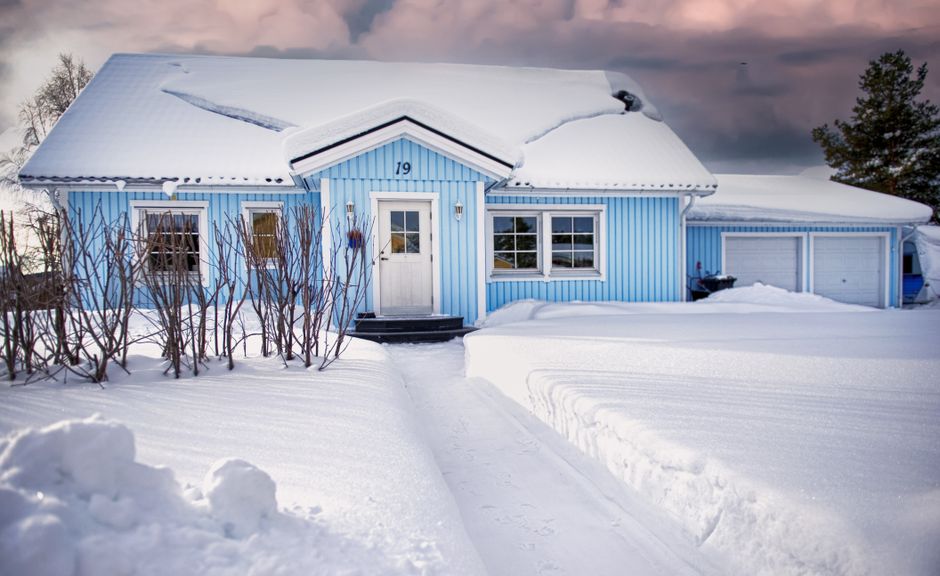
Winter moves can be calm and efficient, or they can turn into a cold, wet scramble with a van stuck on the wrong side of the street and boxes getting damp before you've even found the kettle. If you're planning a move in 2027, a proper Winter moving checklist: avoid cold-weather delays 2027 is not just helpful, it's the difference between a smooth day and a long, frustrating one.
This guide breaks the process into clear, practical steps so you can stay ahead of frost, rain, early darkness, and the kind of small delays that pile up fast. You'll find what to prepare, when to book, how to protect your belongings, and how to reduce the chances of winter weather slowing everything down. To be fair, winter moving is never completely stress-free. But it can be far more predictable than most people expect.
Key takeaway: winter moving success usually comes down to three things: earlier planning, better packing, and a bit of weather-proof thinking. Simple enough. Not always easy, but definitely manageable.
Why Winter moving checklist: avoid cold-weather delays 2027 Matters
Winter creates a different moving environment. Roads can be slower, pavements can be icy, daylight disappears early, and furniture or boxes can be exposed to rain, snow, sleet, or simply muddy conditions that nobody wants in the hallway. Even if the weather looks fine in the morning, it can change quickly by lunchtime. That's the annoying bit. The weather doesn't consult your schedule.
A winter move has extra moving parts because every task depends on the next one going well. If access is poor, loading takes longer. If parking is blocked by ice or snow, the vehicle may need to stop farther away. If packing is rushed, fragile items become vulnerable to cold and moisture. These are not dramatic problems on their own, but they stack up.
For home moves, the aim is straightforward: keep the day moving. For office relocations, the pressure can be even higher because downtime costs money and staff still need somewhere to work on Monday morning. If that sounds familiar, it may also be worth looking at the structure of commercial moves or dedicated office relocation services before the date gets too close.
Truth be told, winter moving is less about "braving the cold" and more about removing avoidable friction. The best checklist does exactly that.
How Winter moving checklist: avoid cold-weather delays 2027 Works
The checklist works by grouping the move into stages: planning, packing, access, transport, and arrival. Each stage has a few winter-specific risks. Handle those early, and the rest becomes much easier.
Here's the basic logic. First, you confirm the moving date and check how flexible it is. Then you make sure the route, parking, and access points are all workable in poor weather. After that, you focus on packing for temperature changes and moisture. Finally, you prepare the delivery side so the unloading process is quick and safe.
A winter move usually fails in the gaps between steps. For example, a perfectly packed house still slows down if the key handover runs late, the lift access is unclear, or the van has to wait while someone searches for a parking permit. One small delay can turn into three. That's why a winter moving checklist needs to be practical, not just neat on paper.
If you're choosing help rather than doing everything yourself, vehicle and labour choices matter too. Some moves need a larger vehicle, while others are better handled by a man and van or man with van arrangement. Bigger load? A moving truck or removal truck hire may make the day simpler. The right option depends on volume, access, and how much lifting you want to take on yourself.
Key Benefits and Practical Advantages
Done well, winter moving gives you more than just a stress-free day. It can also improve control, reduce waste, and help protect your belongings from avoidable damage.
- Fewer delays: planning for weather, access, and daylight reduces waiting around.
- Better protection for belongings: sealed boxes, dry loading routes, and sensible wrapping help keep items safe.
- Lower risk of breakages: slower, more organised loading is safer than rushing in cold conditions.
- Less stress on moving day: when everyone knows the plan, the day feels calmer. You will notice that quickly.
- Improved efficiency: winter-specific prep often makes the whole move feel more professional and less chaotic.
There's also a less obvious benefit: you make better decisions. In winter, people tend to overestimate what can be done in one trip or underestimate how long access will take. A checklist forces you to think ahead instead of reacting in the moment, which is always where problems breed.
And if you're sorting items before the move, it can be a good time to remove anything you no longer need. For example, old furniture, unwanted bulky items, or one or two "we'll deal with it later" pieces. A service like furniture pick up can help reduce the load before moving day even starts. Less stuff usually means fewer delays. Funny how that works.
Who This Is For and When It Makes Sense
This checklist is for anyone moving between late autumn and early spring, but it becomes especially useful if your move involves one or more of the following:
- stairs, narrow hallways, or awkward access
- an upper-floor flat or maisonette
- long carry distances from door to vehicle
- valuable or fragile items
- children, pets, or elderly family members in the property
- business equipment, files, or stock that needs careful handling
- a strict move-out deadline
If you're moving a family home, a house move can get messy quickly without a clear plan. In those situations, professional house removalists or a trusted home-moving team can take a lot of pressure off the day. If you're planning a full domestic move, it's also worth reviewing home moves early so you understand what support you may need.
It also makes sense for smaller moves. In winter, even a one-bedroom flat can create delays if parking is tight or lift access is limited. Small move does not always mean simple move. Not in December, anyway.
Step-by-Step Guidance
1. Lock in the date and build in slack
Choose the move date with some breathing room if you can. Avoid leaving the move to the exact edge of a tenancy handover, school run, or end-of-month office deadline. A little flexibility gives you room if weather or access causes a pause.
If you're booking support, ask early about arrival windows, access requirements, and cancellation or rescheduling terms. It's much better to know now than while standing on a frosty pavement at 7:30 in the morning.
2. Check the route, parking, and access points
Winter delays often start outside the property, not inside it. Check where the vehicle can park, how close it can get to the entrance, and whether there are any narrow turns, slopes, or icy patches. If your new place is on a busy road or a tight residential street, that matters even more.
For offices, get clarity on loading bays, building access, lift booking, and any time restrictions. A good commercial move relies on those details being sorted before the team arrives.
3. Pack for cold, damp, and impact
Winter packing is about keeping moisture out and movement under control. Use sturdy boxes, tape the base properly, and wrap fragile items so they are protected from knocks and from the general misery of wet weather.
- Put paper goods and documents into sealed containers.
- Use plastic covers or bin liners for soft furnishings if rain is expected.
- Keep electronics in their original packaging where possible.
- Wrap mirrors, glass, and frames carefully with padding.
- Mark boxes that need to stay dry, cold-sensitive, or upright.
If packing feels like the biggest bottleneck, consider packing and unpacking services. That kind of help can shave a lot of time off the day, especially when winter weather is making the schedule tighter than you'd like.
4. Prepare a winter essentials bag
Keep one bag or box with the things you need immediately: kettle items, medication, chargers, toilet roll, snacks, warm layers, gloves, a torch, bin bags, basic cleaning supplies, and important paperwork. If everything else is delayed by an hour, you'll still have the essentials to hand.
A practical tip: keep this bag in your own car if possible, not in the back of the moving vehicle. That way it's genuinely accessible when you arrive.
5. Protect floors, doorways, and surfaces
Wet boots are part of winter moving. Mud happens. Slush happens. A surprising amount of water can get tracked through a hallway in five minutes. Use old towels, protective mats, or floor coverings at both ends if you can.
That small bit of prep stops slipping hazards and reduces the chance of damage to new flooring. It also makes the property easier to hand back in a tidy state, which is helpful if you're under pressure with inventory checks or deposit-sensitive handovers.
6. Keep the loading process simple
Don't overcomplicate the load order. Put priority items near the door, keep fragile boxes separate, and make sure everyone understands which items go first. In winter, the goal is speed with control, not speed at all costs.
A larger vehicle may be worth it if you want fewer trips in bad weather. If that's your situation, compare options carefully. Sometimes man and van is perfect for smaller loads, while other moves are better suited to a larger vehicle or removal truck hire.
7. Do a final weather and safety check
On the day, check the forecast again, but keep it practical. You are not trying to become a weather expert. You're checking for frost, heavy rain, strong wind, or anything that might slow loading and unloading. Clear the walkway, salt icy patches if appropriate, and make sure the team can move safely.
If something looks unsafe, pause and deal with it properly. Rushing on slippery ground is how minor moves become memorable for the wrong reasons.
Expert Tips for Better Results
In our experience, winter moves run best when the plan is boring in the right way. Predictable. Slightly dull, even. That is a compliment.
- Start earlier than you think: daylight goes quickly in winter, and loading in the dark slows everything down.
- Label boxes with rooms and priority: this saves time at the destination when everyone is cold and tired.
- Keep electronics and documents with you: not in the main pile, not in a box marked "misc", and definitely not under a stack of blankets.
- Use consistent box sizes: easier to stack, easier to carry, less chance of collapse.
- Plan for a wet arrival: towels by the door, kettle ready, and a clear place for shoes or damp outerwear.
One small thing that often gets overlooked is communication. Confirm times, access notes, and contact details the day before. If the weather shifts overnight, you want a quick way to update everyone. That little message can save a lot of head-scratching on the pavement.
For readers comparing service options, the difference between a simple lift-and-load help and a more fully managed move can matter a lot in winter. If you want to keep your involvement light, a more complete service may reduce stress. If you prefer more control and only need transport support, a smaller setup may be enough. There's no single right answer.
Common Mistakes to Avoid
Most winter moving delays are caused by ordinary mistakes made under pressure. The weather just magnifies them.
- Leaving packing too late: rushed boxes break more easily, and rushed people forget more things.
- Ignoring access issues: parking, gates, lift bookings, and building rules all matter.
- Underestimating darkness: late afternoon comes fast in winter, and unloading in poor light slows everyone down.
- Not protecting the route: wet floors and icy patches are avoidable hazards.
- Overloading boxes: heavy boxes are harder to carry safely on slippery ground.
- Forgetting a backup plan: if weather is bad, know which items can wait and which must move first.
Another common one? Assuming the move will be "fine" because the forecast looks okay now. British winter weather has a habit of changing its mind. Quite suddenly, too.
If your budget is tight, don't cut corners on the wrong things. It can be smarter to reduce volume, book the right-size vehicle, or move some items earlier than to risk a chaotic day. The cheapest option is not always the least stressful one. Sometimes it is, but not always.
Tools, Resources and Recommendations
You do not need fancy equipment to move in winter, but a few practical items can make the day much easier.
- strong packing tape and spare rolls
- marker pens for clear box labels
- sturdy gloves with grip
- torches or head torches for early dark conditions
- old towels, floor covers, or protective sheets
- bin bags for wet or dirty items
- bubble wrap, paper, or soft padding for fragile goods
- a phone charger or power bank
- salt or gritting material if appropriate and safe to use
It can also help to keep your moving paperwork together in one folder: booking details, keys, notes, inventory sheets, and contact numbers. Sounds old-fashioned. Works brilliantly.
If you need to review policies before booking or want reassurance around safety and handling, it may help to read the company's insurance and safety information and health and safety policy. For payment reassurance, payment and security is also worth a quick look. And if you are comparing moving costs, the pricing and quotes page can help set expectations.
For sustainability-minded moves, it's sensible to think ahead about reuse and disposal rather than dumping useful items at the last minute. The company's recycling and sustainability information can support that planning.
Law, Compliance, Standards, or Best Practice
Winter moving is not usually about complicated legal issues, but there are still sensible standards to follow. In the UK, the practical side of moving often touches on access rules, landlord requirements, building management arrangements, parking conditions, and basic health and safety. If you are moving in London, that can include more sensitivity around loading space, congestion, and local access rules. The exact details vary by location, so checking early is the safest approach.
For business moves, employers and managers should also think about staff safety, equipment handling, and keeping disruption to a minimum. A structured move plan is generally best practice, especially where computers, files, stock, or specialist items are involved.
Good movers should be able to explain how they handle items, how they reduce damage risk, and what happens if conditions make access difficult. If anything is unclear, ask before the move. That's not being difficult. That's just sensible.
It is also wise to check terms and conditions before booking so you understand timing, responsibilities, and what happens if the weather changes. For transparency around complaints handling or site access expectations, pages such as terms and conditions, complaints procedure, and accessibility statement can be useful reference points.
Options, Methods, or Comparison Table
Different winter moves need different approaches. A small flat move and a large family relocation do not play by the same rules, and the weather changes the trade-offs a bit.
| Method | Best for | Winter advantage | Main limitation |
|---|---|---|---|
| Self-move with own vehicle | Very small loads | Low cost, full control | Multiple trips can be slow and tiring in cold weather |
| Man and van | Light-to-medium moves | Flexible and often efficient for short jobs | May be less suitable for large or complex loads |
| Moving truck | Larger home contents | Fewer trips, better for consolidating the load | Needs more space and planning for access |
| Full removal support | Busy homes or offices | Reduces manual work and can speed up the day | Usually needs more advance booking |
If the move involves large furniture, awkward staircases, or a tight deadline, a more supported option is often worth it. For some readers, home moves or a dedicated household service makes more sense than piecing everything together themselves. For others, the leaner approach is enough.
Case Study or Real-World Example
Picture a family moving from a first-floor flat on a wet January morning. Nothing dramatic, just one of those days where the sky looks like it forgot how to brighten up. The lift is small, the road outside is narrow, and the children's school bags are already by the door. Without a winter checklist, that move could easily turn into a slow, cold chain of stop-start problems.
Instead, they packed the essentials separately the night before, confirmed the parking spot, cleared the hallway, and kept towels by both doors. The most fragile boxes were labelled clearly. The furniture that didn't need to go came out first, and an unwanted bulky item was removed in advance through a furniture pick up service, which shaved time off the loading process. Simple choice, big effect.
Was the move still a bit tiring? Of course. Moves are moves. But the team could work without guessing, the family knew where everything was, and the final unload happened before the light went fully. That matters more than people think. A move that finishes before dusk just feels better. Less rushed, less slippery, less chaotic.
The main lesson? Winter delays are often prevented by doing ordinary things early and doing them properly. No magic. Just order.
Practical Checklist
Use this as your winter moving day checklist. Keep it short enough to use and specific enough to help.
- Confirm the moving date, time, and access arrangements
- Check parking, loading space, and walking route at both properties
- Review the weather forecast the day before and again on the morning
- Pack fragile items securely with moisture protection
- Label boxes by room and priority
- Prepare a winter essentials bag for immediate access
- Keep towels, floor covers, and cleaning supplies ready
- Clear ice, mud, or standing water where it is safe to do so
- Make sure keys, documents, and contacts are easy to reach
- Confirm vehicle size and number of helpers are suitable for the load
- Move important items first if timing becomes tight
- Allow extra time for loading, travel, and unloading
- Keep hot drinks, snacks, and warm layers available for the team
- Check that nothing has been left in lofts, cupboards, sheds, or storage
- Do a final sweep of each room before leaving
Quick summary: if you can reduce waiting, protect against moisture, and make access easy, you have already won half the battle.
Conclusion
A winter move does not have to be a disaster waiting to happen. With the right preparation, it can be tidy, efficient, and surprisingly calm. The trick is to plan for the season you are actually moving in, not the one you wish you had. Cold, wet, dark days need more structure, a bit more padding, and a lot more patience.
Whether you are moving a family home, relocating an office, or just shifting a few large items, the goal is the same: keep the process moving safely and avoid the little delays that snowball. If you take one thing from this guide, let it be this: winter moving is easier when you prepare for the awkward bits before they happen.
And honestly, that's a good life rule too.
Get a free quote today and see how much you can save.
Frequently Asked Questions
What is the best time of day to move in winter?
Earlier in the day is usually best. You get more daylight, better visibility, and more time to handle delays before it gets dark. That matters a lot in December and January.
How do I stop boxes getting damp during a winter move?
Use sturdy boxes, seal them properly, and wrap moisture-sensitive items in protective materials. Keep boxes off wet ground where possible and load them as close to the property entrance as you can.
Should I book a larger vehicle for a winter move?
If it means fewer trips, then often yes. Fewer trips generally means less exposure to rain, cold, and traffic delays. It depends on the size of the load and the access at both ends.
Can winter weather delay a house move in the UK?
Yes, it can. Heavy rain, snow, ice, poor visibility, and access problems can all slow things down. That is why planning and flexibility matter so much.
What should I pack separately for moving day?
Keep essentials with you: medication, chargers, toiletries, snacks, warm clothing, kettle items, important documents, and anything you may need immediately on arrival.
Is a man and van service enough for a winter move?
For smaller moves, it often is. For bigger homes or more complex access, a larger vehicle or more complete support may be a better fit. It really comes down to volume and logistics.
How far in advance should I plan a winter move?
As early as you can, especially if you need a specific date or weekend slot. Winter bookings can fill up quickly, and flexible timing gives you more room if the weather changes.
What is the biggest winter moving mistake people make?
Leaving everything too late. Late packing, late confirmation, late weather checks. It all creates pressure, and pressure is where delays multiply.
Do I need special insurance or safety checks for a winter move?
You should at least understand how the move is being handled, what the service includes, and how safety is managed. Reviewing the provider's insurance and safety information is a sensible step.
How do I make moving day safer when it is icy?
Clear walkways where safe, use good footwear, slow down on stairs, and avoid carrying awkward items on slippery surfaces without enough help. Safety first, always. A rushed move is not worth a fall.
What if the weather changes on the morning of the move?
Contact the mover straight away, reassess access and timing, and prioritise the essential items first. If conditions are unsafe, it is better to adjust the plan than force the issue.
Are winter moves more expensive?
Not always, but costs can vary depending on demand, vehicle size, access difficulty, and timing. The safest approach is to compare quotes and understand what is included before booking.