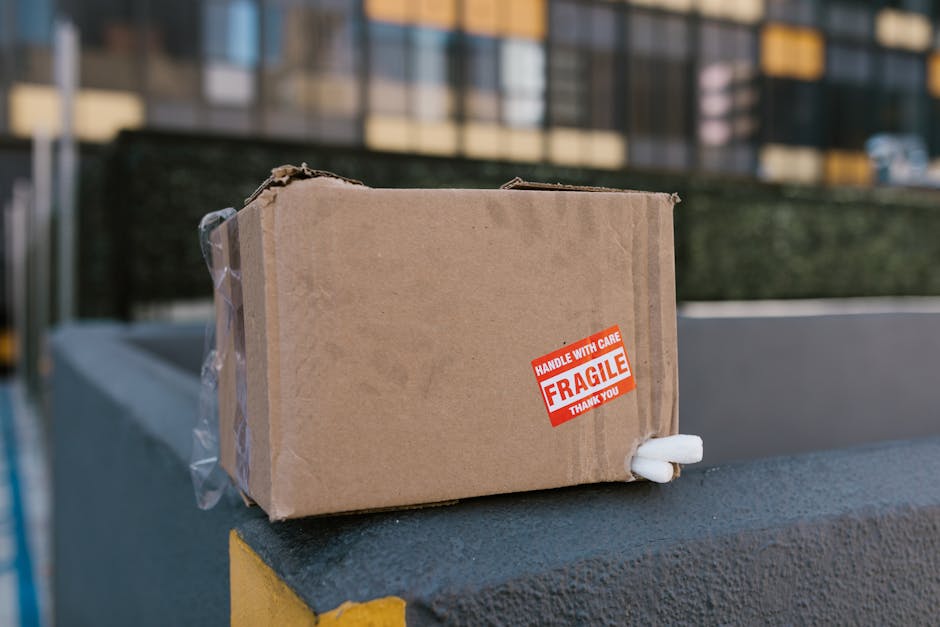
Protect antiques and artwork during professional removals
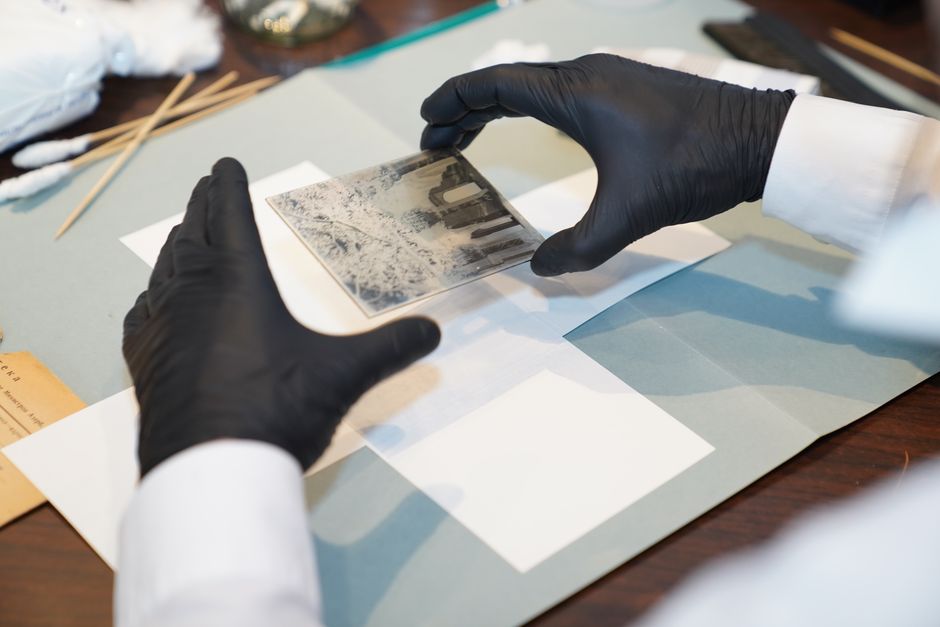
Moving a house or office is stressful enough without worrying about a cracked frame, a chipped cabinet leg, or a painting that comes back with a mysterious scuff on the corner. If you need to protect antiques and artwork during professional removals, the details matter far more than most people expect. A wrapped item is not automatically a safe item. A box is not automatically enough. And a "careful" mover still needs a proper plan.
That is especially true for pieces with sentimental value, historical value, or just awkward shapes and fragile finishes. In our experience, the biggest problems usually happen before the van even leaves the driveway: poor preparation, rushed packing, uncertain labelling, and no clear handling plan for the awkward bits. This guide walks through the practical steps, the risks, the best materials, and the decision points that make the whole process smoother. If you are moving valuable household items as part of a wider home move or coordinating a larger relocation, you will find this useful either way.
Let's face it, antiques and artwork do not forgive casual handling. But with the right approach, they can be moved safely and with far less drama than people fear.
Table of Contents
- Why protecting antiques and artwork matters
- How the protection process works
- Key benefits and practical advantages
- Who this is for and when it makes sense
- Step-by-step guidance
- Expert tips for better results
- Common mistakes to avoid
- Tools, resources and recommendations
- Law, compliance, standards and best practice
- Options, methods and comparison
- Case study or real-world example
- Practical checklist
- Conclusion
- Frequently asked questions
Why Protect antiques and artwork during professional removals Matters
Antiques and artwork are different from standard furniture because they often combine three things at once: fragility, irregular shape, and value that is not always obvious at first glance. A dining chair from the 1920s might be structurally weak at the joints but look perfectly fine. A framed print may seem easy to move until the glass shifts, the frame twists, and the mount gets crushed. Even a sturdy-looking sculpture can have delicate edges or a finish that marks if it touches the wrong surface.
There is also the emotional side. People can replace a sofa. They usually cannot replace a family portrait, a inherited mirror, or the sideboard that has lived in the same room for forty years. That is why professional removals need a different mindset for these items. It is not just about moving things from A to B. It is about preserving condition, provenance, and peace of mind.
Another reason this matters is timing. Damage often happens during one of three moments: lifting, transit, or unpacking. That sounds obvious, but the fix is not always obvious. A rushed arrival at the new property, a narrow hallway, or a wet winter morning outside a London terrace can create the exact sort of slip that a careful plan would have prevented. You know the sort of day: one item is running late, someone is holding a door, and suddenly the whole rhythm changes.
For businesses too, the stakes can be high. Galleries, collectors, hospitality venues, and offices with display pieces may need to protect artwork during a move as part of a broader relocation. For those situations, a service such as commercial moves can be relevant because the handling plan has to work around more than just boxes and desks.
How Protect antiques and artwork during professional removals Works
The process is straightforward in theory and very detail-heavy in practice. Start by identifying which items need special handling, then decide how each one will be packed, lifted, loaded, and unpacked. The goal is to create layers of protection that work together rather than relying on one material or one person being "careful".
Most professional moves follow a pattern like this:
- Assessment: Each item is checked for size, weight, finish, condition, and weak points.
- Preparation: Loose parts are removed or secured, surfaces are cleaned lightly if needed, and the item is measured for packing.
- Wrapping: The right materials are used to protect from scratches, vibration, dust, and moisture.
- Boxing or crating: Framed artwork, mirrors, ceramics, and some antiques are placed in rigid containers or custom crates.
- Labelling: Items are marked for "fragile", "this side up", and destination room placement.
- Handling: Trained movers use proper lifting techniques, team lifts where needed, and stable loading positions in the vehicle.
- Transit: Pieces are secured so they cannot tip, slide, or rub against harder items.
- Delivery and unpacking: Items are opened carefully, checked for condition, and placed in a safe position.
The important thing is that each layer supports the next. Bubble wrap alone can trap pressure against ornate surfaces. A blanket alone can shift. A box alone can let an item rattle. Good protection is a system, not a single product. Slightly boring, yes. But boring is wonderful when you are moving a family heirloom.
If packing is part of the job, it often helps to use packing and unpacking services because specialist packers tend to spot problems that a hurried homeowner might miss. A cracked plaster detail, a loose glaze line, or an old repair can change how the item should be handled.
Key Benefits and Practical Advantages
The obvious benefit is reduced damage risk, but there are a few less obvious advantages worth noting.
- Less movement during transit: Good packing stops vibration from travelling through the item.
- Better condition control: Clean materials, covered surfaces, and dry protection help prevent staining and scuffing.
- Faster unpacking: Clear labelling means each piece reaches the right room without needless handling.
- Lower stress on the day: When everyone knows which items are fragile, there is less confusion at doors and stairwells.
- Reduced chance of hidden damage: A piece can look fine from the outside but still suffer if it was packed too tightly or stacked under pressure.
There is also a commercial benefit if you are moving stock, display pieces, or decorative assets for a business. A good process reduces downtime and avoids that awful situation where a room looks half-finished because one key piece has been delayed or damaged. That matters more than people sometimes admit.
And honestly, there is a calmness that comes from seeing a family painting wrapped properly, upright, labelled, and loaded where it belongs. You can feel the difference. The move starts to feel controlled rather than improvised.
Who This Is For and When It Makes Sense
This guidance is for anyone moving items that are old, fragile, unusual, or meaningful. That includes homeowners, landlords, collectors, interior designers, small museums, property managers, and businesses with decorative pieces in reception areas or meeting rooms. It also applies when the item is not especially expensive on the open market but would be difficult or upsetting to replace.
You will especially want a more careful approach if you have:
- paintings with glass or delicate frames
- unframed canvases
- antique cabinets, sideboards, or tables with loose joints
- porcelain, ceramics, or glass sculpture
- gilded mirrors or ornate wall pieces
- mixed-media artwork with protruding elements
- items with previous restoration work
It also makes sense if your move involves stairs, tight corners, narrow hallways, basement access, or parking far from the front door. In many London streets, the building layout matters as much as the item itself. One awkward turn can be the difference between a routine carry and a nerve-racking one.
For smaller, one-off items, a man and van arrangement may be suitable if the mover understands fragile handling and has the right packing setup. For more substantial household loads, house removalists may be a better fit because they are usually set up for multi-item coordination and more structured loading.
Step-by-Step Guidance
If you want a practical process that actually works, follow these steps in order. It sounds simple, but skipping one step tends to create another problem later. Moving is like that.
1. Make a separate inventory
List each antique or artwork piece on its own. Note dimensions, materials, visible wear, and any existing marks. Take photographs from several angles. If there is a crack, a chip, or a weak joint, record it before the move. This is useful for your own peace of mind and for anyone helping with handling.
2. Identify the fragile points
Some items need support at the base. Others need corner protection. Some paintings only need edge protection, while others need a rigid frame around the whole piece. Do not assume the visible surface is the only delicate part. For older furniture, the joinery and veneers can be more vulnerable than the top surface.
3. Choose the right wrapping method
Use clean, non-abrasive materials. Acid-free paper or glassine is often better than direct contact with rough packing material for sensitive surfaces. Soft blankets can help with bulk protection, but they should not be the only barrier for fine finishes. If the item has a polished or gilded surface, avoid anything that could leave fibres or pressure marks.
4. Protect corners, edges, and protruding features
Frames, carved feet, handles, and decorative mouldings often fail first. Reinforce these points before the item is boxed or loaded. It may feel fiddly. It usually is. But that fiddly bit is often what saves the day.
5. Use the right box or crate
Flat artwork may travel better in a purpose-sized picture carton or custom crate. Smaller antiques may need a double-wall box with internal padding. Large or unusually valuable items can justify custom crating, especially if they are travelling a long distance or through several handling points.
6. Keep items upright where appropriate
Not every item can be laid flat. Some framed works, mirrors, and panel pieces are safer upright if they have been properly protected and secured. The wrong orientation can create pressure where there should be none. The mover should decide this based on the item, not habit.
7. Load thoughtfully
Place fragile items where they will not be crushed, bumped, or forced to shift. They should not sit under heavy furniture. They should not lean in a way that stresses the frame. And they definitely should not become the "last thing in, first thing out" if that means a scramble at delivery.
8. Unpack with the same care
Protection does not stop once the van arrives. Unpack in a clean, stable space. Check each item before discarding packaging. If something looks off, pause and inspect it properly. It is far better to notice a problem immediately than after the packaging has been bundled away.
Expert Tips for Better Results
Here are the small details that make a big difference.
- Use breathing room in boxes. Items should be secure, not squeezed. Too tight can be just as risky as too loose.
- Separate glass from frame stress. For framed artwork, make sure the glass is protected from flexing. A cheap tape fix is not a real solution.
- Remove detachable parts. Shelves, keys, glass inserts, and loose ornaments should be packed separately and labelled clearly.
- Keep finishes dry. Damp wrapping can leave marks, especially on wood and antique fabrics.
- Use soft gloves only when needed. They can help with some surfaces, but they are not magic. Clean, dry hands are often better than slippery gloves for certain objects.
- Don't stack by assumption. "It'll be fine on top" is not a strategy.
A useful habit is to create a "priority load" list for the crew. These are the items that must be loaded last, transported in a specific position, or unloaded first. It keeps everyone aligned when the day gets busy and tea breaks are becoming suspiciously frequent. A small bit of structure saves a lot of faffing.
If you are arranging a larger load, it may be worth checking the vehicle setup through moving truck options or, for more control over scheduling and vehicle choice, removal truck hire. The key point is simple: the right vehicle helps protect the packing work you have already done.
Common Mistakes to Avoid
Most damage is not caused by one dramatic failure. It is usually a chain of small mistakes. That is the part people forget.
- Packing too late: Rushed wrapping is sloppy wrapping. No real surprise there.
- Using newspaper on delicate surfaces: It can transfer ink and is not always suitable for fine finishes.
- Ignoring previous repairs: An item that has already been restored may need gentler handling than it appears to need.
- Failing to label orientation: If the item must stay upright, say so clearly.
- Leaving too much empty space: Movement inside the box or crate can damage edges and corners.
- Putting fragile items near heavy loads: One shift in the van can undo everything.
- Assuming insurance covers every outcome: Policies and terms vary, so it is wise to understand the cover and any exclusions before moving day.
One more thing: do not let the item's age fool you into being overly casual. "It's been around for years" is not a moving plan. The fact it survived the last fifty winters does not mean it wants to spend an afternoon bouncing around in the back of a van.
Tools, Resources and Recommendations
You do not need a warehouse of specialist kit, but the right materials matter. A thoughtful mover usually has a mix of protective and handling tools ready before packing starts.
| Tool or material | Best use | Why it helps |
|---|---|---|
| Acid-free tissue or glassine | Artwork, prints, delicate surfaces | Reduces direct contact and helps avoid surface marking |
| Corner protectors | Frames, mirrors, furniture edges | Protects the points most likely to chip or crush |
| Double-wall cartons | Smaller fragile items | Offers better crush resistance than a single-wall box |
| Blankets and furniture pads | Large antiques and storage wrapping | Helps protect finishes from scuffs during handling |
| Strapping and securing materials | Vehicle loading and crate stability | Prevents movement during transport |
| Labels and condition notes | Organisation and delivery sequencing | Makes unpacking safer and more controlled |
For many moves, professional packing support is one of the most effective resources because it brings structure, materials, and handling know-how together. If you want more reassurance around how items are managed, it is worth reading the company's insurance and safety information and checking that the service arrangement matches your expectations before the move starts.
If you are trying to balance protection with budget, it can also help to review pricing and quotes early. That way you can see whether extra packing, specialist handling, or a larger vehicle is sensible for the items involved.
Law, Compliance, Standards and Best Practice
There is no single universal rulebook for moving antiques and artwork, but good removals practice in the UK generally follows a few important principles: reasonable care, clear communication, suitable packaging, and honest expectations about risk. That sounds simple, yet it is where a lot of disputes begin.
For valuable or fragile items, it is sensible to confirm:
- what level of packing is included
- who is responsible for packing specific items
- whether items are moved as part of standard household goods or as specialist fragile pieces
- what the insurance position is if an item is already damaged or poorly repaired
- whether the mover will handle disassembly and reassembly
Terms and conditions matter here. So does safety. A professional team should have clear procedures for lifting, loading, and vehicle securing. If you want to understand how a provider approaches these points, it can be useful to review their health and safety policy alongside the move plan. You are looking for common sense, consistency, and transparency. Nothing flashy. Just proper process.
For household moves, the moving company should be upfront about service scope, any exclusions, and how fragile items are treated. That is why reading the terms and conditions is not a boring legal chore; it is part of protecting the object you care about.
Options, Methods and Comparison Table
There is more than one way to protect antiques and artwork. The best option depends on value, fragility, distance, and how many times the item will be handled before it settles in its new home.
| Method | Best for | Pros | Limitations |
|---|---|---|---|
| Basic wrapping | Low-to-medium risk pieces | Quick, cost-effective, suitable for simpler moves | Less protection for delicate corners and valuable finishes |
| Layered packing | Most antiques and framed artwork | Better shock absorption and surface protection | Requires more materials and careful packing time |
| Rigid box protection | Smaller artwork and fragile decorative pieces | Good crush resistance and easier stacking control | Not suitable for every shape or size |
| Custom crating | High-value, awkward, or irreplaceable pieces | Strongest protection and best positional control | More time, more cost, more planning required |
| Specialist packing service | Complex moves and mixed collections | Reduces handling errors and improves consistency | May not be necessary for every small item |
To be fair, many moves use a combination rather than one method only. A painting may need a rigid carton, while a side table may need blanket wrapping and corner protection. That mixed approach is often the most sensible.
Case Study or Real-World Example
A client moving from a Victorian terrace in south London had three particularly delicate pieces: an oil painting with a deep frame, an antique walnut writing desk, and a tall gilded mirror. None of them was impossible to move, but each had a different weakness.
The painting needed edge protection and a rigid outer box because the frame protruded. The desk had loose drawer runners, so the drawers were removed and packed separately, while the body of the desk was wrapped and padded at the legs. The mirror required a stable upright position and extra corner reinforcement because the frame was ornate and brittle at the edges.
What made the move go smoothly was not one clever trick. It was the planning. Each item had its own packing method, its own label, and its own place in the vehicle. The crew knew which pieces had to be unloaded first and which could wait. There was no last-minute guesswork at the front door, which frankly is where many problems begin.
The client later said the best part was that the items arrived looking unchanged. No fresh marks, no wobble, no drama. Just a quiet, satisfying result. That is what good removals should feel like.
Practical Checklist
Use this as a final check before moving day.
- Make a full inventory of antiques and artwork
- Photograph each item before packing
- Record existing marks, cracks, or repairs
- Measure each item before choosing wrapping or boxes
- Secure or remove loose parts
- Use suitable clean packing materials
- Protect corners, edges, handles, and frames
- Label fragile items and note orientation clearly
- Confirm who is handling loading and unloading
- Check the vehicle plan and stacking order
- Review insurance, safety, and terms in advance
- Unpack carefully and inspect before discarding materials
Expert summary: The safest move is rarely the fastest one. Protecting antiques and artwork is mostly about removing uncertainty before the van arrives. Measure properly, pack for the object not the room, and treat each piece like it has its own instructions - because it usually does.
If you are still planning the move itself, it can help to speak with a team that understands both domestic and specialist handling. Services such as house removalists and home moves can support the wider relocation while your fragile pieces are handled with extra care.
For businesses clearing display furniture, artwork, or archived decorative pieces, office relocation services may also be relevant, especially when the move needs a tidy handover and minimal interruption.
Get a free quote today and see how much you can save.
Conclusion
To protect antiques and artwork during professional removals, the real job is to reduce risk at every stage: assessment, packing, loading, transit, and unpacking. The best results come from calm preparation, the right materials, and a mover who understands that fragile does not mean "just be careful". It means plan properly, every step of the way.
Whether you are moving one treasured painting or an entire collection of inherited furniture, the principles are the same. Protect the surfaces. Support the structure. Keep movement to a minimum. And make sure everyone involved knows what matters most. It is a small bit of discipline that saves a lot of heartache later.
When the last box is open and the room is quiet again, the best feeling is seeing those pieces exactly where they should be - intact, settled, and still full of life.
Frequently Asked Questions
How do I protect antiques and artwork during professional removals?
Use layered protection: assess the item, secure any loose parts, wrap it with suitable clean materials, add corner and edge protection, place it in a rigid box or crate if needed, and load it so it cannot move during transit.
Should artwork be wrapped in bubble wrap?
Sometimes, but not directly against delicate surfaces. Bubble wrap can be useful as an outer cushioning layer, yet it should usually sit over a softer, non-abrasive barrier so the texture does not press into the item.
Is it worth paying for specialist packing?
For valuable, fragile, or awkward pieces, yes, often it is. Specialist packing reduces the chance of avoidable damage and helps with items that need custom handling rather than standard box-and-tape treatment.
Can antiques be moved in a normal removal van?
They can, provided the vehicle is suitable, the items are secured properly, and the loading plan keeps them away from heavy loads and unnecessary pressure. The vehicle is only part of the equation.
How do movers handle framed artwork safely?
Framed artwork is usually protected with edge guards, wrapped securely, kept upright or in a controlled position depending on the item, and loaded so the frame cannot flex or be crushed.
What is the best way to move a large mirror?
Protect the corners, wrap the frame carefully, and keep the mirror stable and upright during transit. Large mirrors often fail at the edges first, so corner support matters a lot.
Should I photograph antiques before the move?
Yes. Photos help document condition before the move and make it easier to notice whether any damage was already present. They are especially useful for older pieces with previous repairs.
Do I need to remove drawers, shelves, or glass parts?
If they are loose or likely to shift, yes. Separate packing usually reduces stress on the main item and makes the load safer. A drawer sliding during transit is nobody's idea of a good time.
What should I ask a removals company about fragile items?
Ask how they pack fragile pieces, what materials they use, whether they provide custom crates, how they label and load artwork, and what their insurance position is for high-value items.
How far in advance should I plan packing for antiques and artwork?
As early as possible. A few days is often enough for simple items, but valuable collections, awkward furniture, or multi-room moves may need longer so the packing plan is sensible rather than rushed.
Are antique items covered by standard moving insurance?
It depends on the policy and the service terms. You should confirm what is covered, what exclusions apply, and whether special items need to be declared in advance. Do not assume everything is automatically included.
What is the biggest mistake people make when moving artwork?
Rushing. People often wrap the piece quickly but forget to control movement, protect corners, or plan how it will sit in the vehicle. The wrapping matters, but the handling plan matters just as much.