Behind the scenes of a removals job: loading, routing and safety
Most people see the front end of moving day: the van pulls up, boxes disappear through the door, and a team somehow turns a stressful morning into a finished job by tea time. What you do not usually see is the careful work underneath it all. Behind the scenes of a removals job: loading, routing and safety is where the real value lives. It is the planning, the lift technique, the route choice, the risk checks, and the quiet decisions that stop a move from becoming a long, awkward mess.
If you have ever wondered why one removals job feels smooth while another ends with scratched furniture, delayed arrivals, and everyone looking a bit frazzled, this is the bit that explains it. In our experience, the best moves are rarely the flashiest. They are the ones where loading is methodical, routing is realistic, and safety is treated as part of the job rather than an afterthought. Simple enough on paper, not always simple in a narrow terraced street in London at 8:15 a.m., truth be told.
This guide breaks down how the process really works, why it matters, what professionals look at before they lift a single box, and how you can make the whole thing easier on yourself. If you are comparing services, planning a home move, or just want a clearer picture of what you are paying for, you are in the right place.
- Why it matters
- How it works
- Key benefits and practical advantages
- Who this is for and when it makes sense
- Step-by-step guidance
- Expert tips for better results
- Common mistakes to avoid
- Tools, resources and recommendations
- Law, compliance, standards, or best practice
- Options, methods, or comparison table
- Case study or real-world example
- Practical checklist
- Conclusion
- Frequently asked questions
Why Behind the scenes of a removals job: loading, routing and safety Matters
A removals job is not just transport. It is a chain of decisions where one weak link can create damage, delay, or avoidable cost. Loading affects whether items arrive intact. Routing affects whether the vehicle arrives on time and within local access limits. Safety affects the crew, your property, and the people around the move. Put those three together and you have the difference between a job that feels professional and one that feels improvised.
Loading matters because furniture is heavier, larger, and more awkward than it looks. A wardrobe that seems manageable in a bedroom can become a problem at the hallway corner. A fridge can tip if it is not secured properly. Boxes can crush under too much weight. Good loading protects the contents, but it also keeps the van stable on the road. That is something people do not always think about until they hear a loud thud in the back and realise something shifted mid-journey.
Routing matters because even the best-packed van can arrive late if the route is poor. Traffic, low bridges, congestion charges, parking restrictions, school-run gridlock, and local access all shape the plan. In city moves, especially in and around London, the route is not just about the shortest distance. It is about what is realistic for the size of vehicle, the time of day, and the access at both ends. A decent route plan saves fuel, time, and nerves.
Safety matters because moving is physical work. There are manual handling risks, trip hazards, sharp edges, tight turns, wet pavements, and a surprising number of ways to knock into a wall without meaning to. A careful crew protects people first, then property. That order matters. Always.
Key takeaway: the best removals teams do not simply move items from A to B. They manage weight, timing, access, and risk in one coordinated process.
How Behind the scenes of a removals job: loading, routing and safety Works
The process usually starts before the van is even unpacked. A good team will assess the load, the access points, the type of property, and the order in which items should come out. If packing is part of the service, they may also check how boxes have been filled, whether fragile items are marked, and whether anything needs extra protection. If you have booked packing and unpacking services, that stage can remove a lot of friction because items are prepared in a way that suits transport rather than just storage in the spare room.
1. Loading starts with the plan, not the lifting
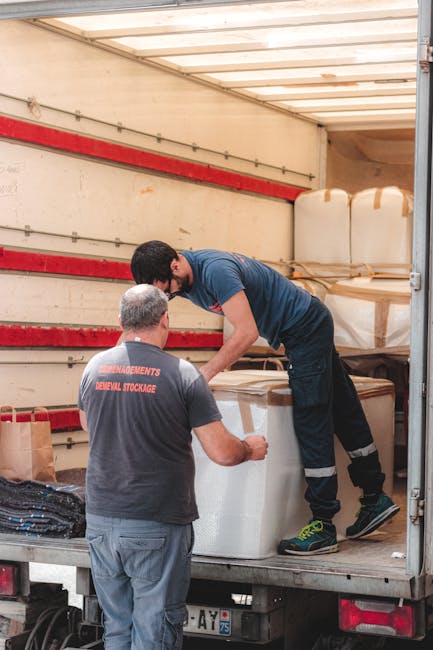
Loading is not random. It is a sequence. The crew will usually place the heaviest and most stable items first, often near the front of the van and low to the floor where possible. Sofas, white goods, wardrobes, and bulky boxes create the base layer. Smaller boxes fill the gaps. Delicate items are kept away from pressure points, and everything is secured so it cannot move when the vehicle brakes or turns.
You will often notice a team pausing before each lift. That is not hesitation. It is a quick assessment: can this item be carried safely, do we need two people, is the path clear, and what is the cleanest angle through the door? Those few seconds matter more than people realise.
2. Routing is a live decision, not a single map check
Route planning begins with the postcode and the addresses, but it rarely ends there. The team may consider bridge height, road width, parking bay availability, congestion timing, and whether a larger vehicle is practical. For some moves, a smaller vehicle or a man and van setup can be more efficient than a full-size truck, especially where access is tight or the load is modest. Other jobs need a larger vehicle or even a dedicated moving truck to keep everything on one run.
Routing also includes timing. Leaving five minutes later can make a big difference in a city. A good crew thinks about traffic patterns, delivery windows, and parking restrictions so the van is not circling the block while someone stands downstairs with a piano dolly and a rising sense of defeat. Not ideal.
3. Safety is built into each stage
Safety is not a separate checklist hidden in a drawer. It shapes the whole job. Crews should wear suitable footwear, use gloves where needed, and handle items using safe lifting techniques. The route from property to vehicle should be kept as clear as possible. Stairwells, thresholds, and tight door frames are all classic pinch points, so they deserve extra attention.
For larger or more complex jobs, a team may use straps, blankets, dollies, sliders, ramps, and protective covers. These are not fancy extras. They are practical tools that reduce damage and strain. If you are moving especially heavy or awkward furniture, a specialist article such as how to secure heavy furniture for removals is worth a look because the load itself often decides how the rest of the day goes.
4. The best teams adapt on the fly
Real moving day is rarely perfect. A sofa will catch on a banister. A parking space will vanish. Rain may appear just as the last bed frame is being carried out. Good removals teams adapt without drama. They re-sequence the load, adjust the route, or change the vehicle position rather than forcing a bad decision through. That calm flexibility is a mark of experience.
Key Benefits and Practical Advantages
The value of a well-run removals process is not just that your belongings reach the new property. It is that the whole move feels more controlled, less exhausting, and less likely to throw up avoidable problems. Here is what that looks like in real terms.
- Less damage: structured loading reduces pressure on boxes, upholstery, glass, and appliances.
- Faster turnaround: a planned route and organised carry order cut wasted movement and confusion.
- Lower physical strain: safe lifting and proper kit reduce the risk of injury and fatigue.
- Better timing: route planning helps avoid delays from congestion, access issues, and parking problems.
- Cleaner handover: careful handling makes it easier to place items neatly in the new property instead of dropping them wherever there is space.
- More predictable cost: efficient work is less likely to run into extra hours or avoidable disruption.
There is also a quieter benefit people often forget: peace of mind. If you are moving a family home, an office, or a mix of both, it helps enormously to know that someone has already thought through the awkward bits. You do not have to carry every decision yourself. That is worth something.
For businesses, the gains can be even more obvious. A managed move with sensible routing and loading order can reduce downtime and protect equipment. If your relocation involves desks, files, IT, or stock, an organised approach like office relocation services is designed around keeping the operation moving rather than just shifting furniture.
Who This Is For and When It Makes Sense
This topic matters to anyone planning a move, but it is especially useful if you are:
- moving house and want to understand how the day should run
- comparing removal companies and trying to spot genuine expertise
- moving bulky, fragile, or awkward items
- relocating an office or small business
- working with a tight schedule or a limited parking window
- trying to decide between a full removals team and a smaller vehicle option
- concerned about damage, safety, or insurance cover
It also makes sense if you are the kind of person who likes to know what you are paying for. Fair enough. Not everyone wants to leave it all to chance, and moving is one of those jobs where details matter. A lot. If you are dealing with a standard household move, services such as home moves or house removalists may be more relevant than a general hire option, because the service is built around domestic furniture, access, and family logistics.
On the other hand, if you only need help with part of the move, you may find a more flexible solution works better. A smaller load, a single-item move, or local transport might be a better fit for furniture pick-up or a basic van hire style arrangement. The right choice depends on the load, the distance, and how much heavy lifting you want to avoid. Which, let's face it, is often the real question.
Step-by-Step Guidance
Here is how a well-run removals job typically unfolds from the inside out. This is the bit that turns theory into action.
Step 1: Review the move details
The team checks addresses, access notes, item lists, and timing. They look for stairs, lifts, parking restrictions, fragile items, and anything unusually large. If there are special concerns, they should be raised now, not when the first sofa is already halfway through the doorway.
Step 2: Prepare the packing and protection
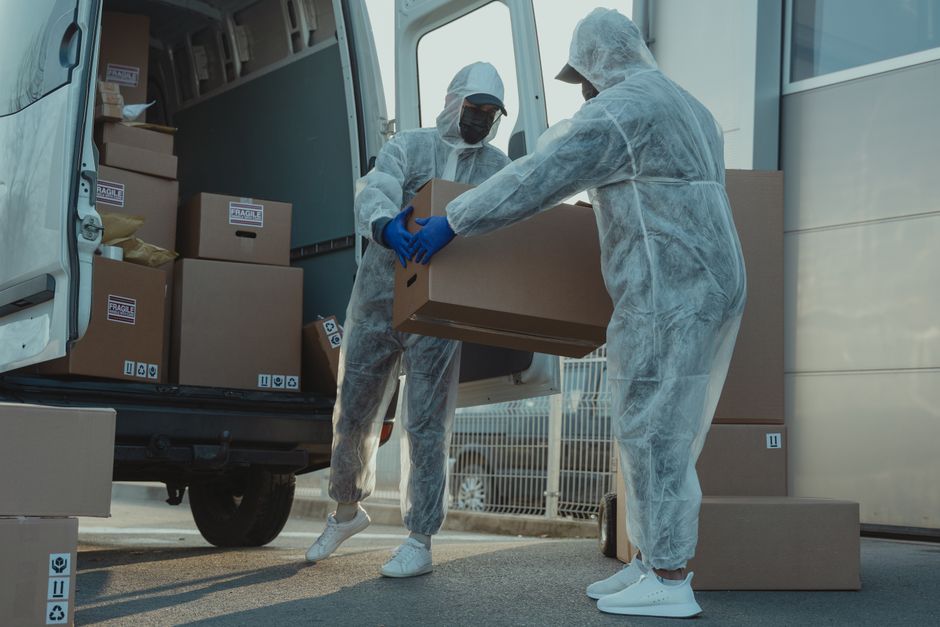
Mattresses, tables, mirrors, and soft furnishings are protected with covers, blankets, or wrap. Boxes are checked for weight and stackability. If packing has been done well, heavy items are in small boxes and fragile items are cushioned properly. If packing has been rushed, the move tends to show it. Rather quickly, too.
Step 3: Clear the route from the property to the vehicle
Paths, hallways, and staircases should be kept free of loose items. Pets, children, trailing cables, and random clutter are best kept out of the way. This sounds obvious, but it prevents most of the little accidents that slow a move down.
Step 4: Load in the right order
Heavier items go in first, usually low and secure. Long items are positioned so they do not shift. Softer items can cushion awkward gaps. The team avoids creating unstable stacks. If something looks wobbly, it probably is.
Step 5: Secure the load
Straps and anchor points stop the contents from sliding or tipping. This stage is easy to overlook because nothing dramatic happens while it is being done. But that is exactly the point. Safety often looks boring in real life, and that is a good sign.
Step 6: Choose the best route and leave room for adjustments
The driver checks the route against current conditions and access needs. If a road is blocked or traffic is heavy, the plan may change. Good routing is flexible rather than brittle. A move is not a military operation. It needs room to breathe.
Step 7: Unload in a sensible order
At the new property, the priority is to place larger items first and fragile items last, or according to the unpacking plan. That avoids backtracking and saves a lot of unnecessary carrying. If the customer has requested help with setup or reassembly, this is where the service becomes especially valuable.
Expert Tips for Better Results
Here are the small things that make a big difference. Not glamorous, but absolutely useful.
- Label boxes by room and weight. "Books - heavy" is much better than just "study".
- Keep essentials separate. Tea bags, chargers, medication, important documents, and a change of clothes should not disappear into the van.
- Disassemble bulky items in advance if possible. Beds, tables, and modular furniture are easier to load in sensible pieces.
- Take photos of complex setups. It helps with reassembly later, especially for electronics or fitted furniture.
- Check access both ends. A good van at one property can still be the wrong choice at the other.
- Allow buffer time. A move without a little slack tends to feel more stressful than it needs to be.
Another practical tip: think about the worst item first. Is it the fridge? The piano? The huge corner sofa that barely made it into the flat in the first place? That one item often dictates the whole plan. If the team can move the hardest object safely, the rest usually follows more smoothly.
For very heavy or awkward items, it helps to understand the basics of load balance and body mechanics. A useful related read is understanding the basics of kinetic lifting, which explains why small changes in posture and movement can reduce strain. Slightly nerdy, yes. Also very practical.
Common Mistakes to Avoid
There are a handful of errors that show up again and again. Avoiding them makes moving day much easier.
1. Assuming the biggest van is always the best option
A larger vehicle is not always more efficient. If access is poor, the wrong size van can add time or create parking issues. Sometimes a smaller vehicle with multiple runs works better, especially for local jobs.
2. Overfilling boxes
A heavy box full of books might look tidy, but it is unpleasant to carry and dangerous to stack. Use smaller boxes for dense items. Your back will thank you, even if it does so quietly.
3. Leaving routing until the morning of the move
Traffic, parking, and access all matter. A quick postcode check is not enough for a real move. The route should be thought through before the crew starts loading.
4. Ignoring fragile or awkward items
Glass, mirrors, lamps, TVs, and musical instruments need more thought than a standard box. Piano moves are their own category entirely, and not really the place for guesswork. If that is relevant, piano moving techniques is worth reading before anyone starts improvising with a blanket and hope.
5. Forgetting to protect floors and walls
Door frames, bannisters, and hallways take a beating during a move if no one is watching the edges. Small scuffs are common when people rush. Good teams move carefully and keep protection in place.
6. Not asking about insurance and liability
Do not assume everything is covered in exactly the way you imagine. Ask what is included, what is excluded, and how claims are handled. It is much better to have that chat beforehand than after something has been chipped.
Tools, Resources and Recommendations
The right kit makes a removals job more efficient and far safer. You do not need every tool for every move, but the standard equipment list usually includes some mix of the following:
| Tool or resource | What it helps with | Why it matters |
|---|---|---|
| Removal blankets | Protecting furniture and surfaces | Reduces scratches, dents, and rubbing during transit |
| Straps and tie-downs | Securing the load | Stops movement inside the vehicle |
| Dollies and sack trucks | Moving heavy items | Less strain, better control over weight |
| Furniture sliders | Positioning bulky furniture | Useful on hard floors and tight spaces |
| Protective wraps | Shielding corners and upholstery | Helps prevent marks and tears |
| Vehicle ramps | Loading larger items | Makes the transition into the van smoother and safer |
Beyond kit, the most useful resource is a clear moving plan. That includes timings, parking notes, inventory details, and a rough sequence for loading and unloading. If you are still comparing service levels, reading about removal truck hire versus a more hands-on service can help you decide what level of support you actually need.
There is also a practical cost angle. Some moves are best priced by the hour, others by a fixed quote. Neither is automatically better. A simple local move with easy access may suit one model, while a more complicated day with several stops may suit another. If you want to think that through properly, hourly or fixed quote planning is a sensible next step.
Law, Compliance, Standards, or Best Practice
For removals work, safety and good practice are not optional extras. In the UK, professional moving teams should work with sensible manual handling procedures, suitable vehicle loading methods, and appropriate insurance arrangements. The exact obligations vary by business model and job type, so it is always best to ask what procedures the company follows rather than assume.
At a practical level, good compliance means the company should be able to explain how it manages lifting risk, how it protects property, what happens if an item is damaged, and how staff are trained. It should also be clear about payment terms, cancellation terms, and how customer data is handled. Those details may not sound exciting, but they are part of a trustworthy operation.
If you are assessing a provider, pages such as health and safety policy, insurance and safety, and terms and conditions are exactly the sort of things worth reading. They should be plain enough to understand, not hidden under jargon.
For sustainable disposal and packing waste, best practice also includes recycling where possible and reducing unnecessary material use. That does not mean every move is zero-waste overnight. It does mean a responsible removals company should think about reuse, disposal, and material handling in a sensible way. If that matters to you, the recycling and sustainability page is a useful reference point.
Practical note: if a company cannot clearly explain how it handles loading safety, route planning, and damage prevention, that is a small red flag. Not a crisis, but worth noticing.
Options, Methods, or Comparison Table
Different move types need different approaches. Here is a simple comparison that may help you choose the right setup.
| Approach | Best for | Strengths | Trade-offs |
|---|---|---|---|
| Full removals team | House moves, larger loads, families, complex access | End-to-end support, efficient loading, less physical stress | Usually costs more than a minimal service |
| Man and van | Smaller loads, short-distance moves, single items | Flexible, often quicker to arrange, good for tight access | May require more help from you with packing or lifting |
| Truck hire only | DIY movers with their own labour | Can be economical if you already have people to load | Higher physical risk, more responsibility, more planning needed |
| Specialist item move | Pianos, antiques, oversized furniture, delicate equipment | Better protection and handling expertise | More specific pricing and preparation needed |
For many people, the decision comes down to risk versus effort. A DIY approach can save money, but it asks a lot of your time and back. A professional move costs more, but it reduces the chances of the kind of mishap that tends to happen when everyone is tired and the kettle has not been unpacked yet. If you are weighing those trade-offs, DIY move vs professional removals is a good companion read.
There is no single correct answer. The right method is the one that matches your property, your schedule, your item list, and your tolerance for stress. Honest enough, really.
Case Study or Real-World Example
Imagine a two-bedroom flat move in a busy part of London. The lift is small, the road outside has limited stopping space, and the client has a bed frame, a sofa, boxes of books, kitchenware, and a couple of awkward mirrors. Nothing outrageous, but enough to require proper planning.
The team begins by checking the access at both properties and noting the likely bottlenecks. The heavy items are identified first. Books are split across smaller boxes rather than packed into a few dense ones. The sofa is wrapped, then moved before the narrow hallway becomes crowded. A parking spot is secured close enough to keep the carry distance reasonable, which sounds minor until you are on your third trip and the rain starts tapping on the pavement.
Loading is done in layers. The fridge and bed parts go in first, then larger boxes, then lighter items to fill the gaps. Straps keep everything steady. The route is chosen to avoid known congestion points, and the driver leaves a little extra margin because school traffic can turn a "quick hop" into a crawl. On arrival, the larger furniture is taken in first so the rooms can be staged properly. Nothing heroic. Just organised.
The result is a move that finishes on time, with no damaged doors and no frantic shoving of the last box into a random corner. That is what good behind-the-scenes work looks like. Quiet competence. A bit dull, maybe, but in a very reassuring way.
Practical Checklist
Use this checklist the day before and on moving day itself.
- Confirm the address, time window, and contact details.
- Check access at both properties, including lifts, stairs, and parking.
- Separate fragile items and label them clearly.
- Keep essentials aside for immediate access.
- Disassemble bulky furniture if needed.
- Measure large items against doorways and stair turns.
- Clear hallways, landings, and paths before the crew arrives.
- Protect floors, corners, and bannisters where appropriate.
- Ask how the load will be secured in the vehicle.
- Confirm insurance, liability, and any exclusions.
- Plan for weather, traffic, and a little delay buffer.
- Make sure pets and children are safely out of the work area.
Quick reality check: if you have not yet sorted the packing properly, do that first. It solves more problems than most people expect.
Conclusion
Behind the scenes of a removals job: loading, routing and safety is really about control. Control over weight, timing, access, and risk. When those parts are handled well, the move feels calmer, faster, and far less exposed to avoidable mishaps. When they are handled badly, everything else gets harder. That is the plain truth of it.
The good news is that most of the stress can be reduced with the right planning and the right team. Loading should be deliberate. Routing should be realistic. Safety should be constant, not occasional. If you keep those three ideas in mind, you are already ahead of the game. And if you are comparing options, asking better questions now saves a lot of trouble later.
If you are ready to take the next step, speak to a removals team that explains its process clearly and treats your move like a real operation, not a lucky guess.
Get a free quote today and see how much you can save.
Frequently Asked Questions
What happens behind the scenes on moving day?
Behind the scenes, the crew is usually planning the loading order, checking access, protecting items, securing the vehicle load, and adjusting the route if conditions change. The smooth-looking finish is built on a lot of quiet, practical decisions.
Why is loading order so important in removals?
Loading order matters because it affects safety, speed, and damage prevention. Heavy items are usually loaded first and low down, while lighter items fill the gaps. That keeps the van stable and reduces movement during transit.
How do removal companies plan routes?
They look at the addresses, traffic conditions, parking, bridge heights, access restrictions, and timing. Good route planning is not just about the shortest distance; it is about what works in real life on the day.
What makes a removals job safer?
Safer jobs use proper lifting methods, suitable equipment, clear walkways, good communication, and secure loading. Safe handling protects both the crew and your belongings, which is really the point.
Do I need packing services for a safe move?
Not always, but packing services can help if you have fragile items, limited time, or a lot of mixed household contents. Well-packed boxes are easier to load, stack, and transport safely.
Is a man and van suitable for a full house move?
Sometimes, but not always. A man and van service works well for smaller loads, local moves, and single-item transport. For larger houses or complex access, a full removals team is usually the better fit.
What should I ask a removals company about safety?
Ask how they handle manual lifting, how they protect floors and furniture, what equipment they use, and what insurance or liability cover applies. Clear answers are a very good sign.
How can I tell if a route plan is realistic?
A realistic route plan should account for parking, access, traffic, and timing at both ends of the move. If someone only gives you a rough guess, that is not much of a plan.
What are the most common mistakes on moving day?
Common mistakes include overfilled boxes, poor labelling, leaving route planning too late, ignoring access issues, and skipping protection for furniture or floors. These are all preventable, which is the frustrating part.
Does weather change how a removals job is handled?
Yes. Rain, wind, ice, or heat can affect grip, pace, and vehicle access. Good teams adapt by protecting items better, allowing more time, and keeping paths as safe as possible.
How do I know whether I need a bigger vehicle?
If you have bulky furniture, a lot of boxes, or long carry distances, a bigger vehicle may help. But access matters too. A huge truck is not useful if it cannot park near the property.
What is the best way to prepare my home for loading?
Clear hallways, label boxes, protect fragile items, disassemble what you can, and keep essentials separate. A tidy route inside the house saves time and reduces the chance of knocks and scrapes.
Can a removals team handle awkward items like pianos or large sofas?
Yes, if they have the right experience and equipment. Awkward items need extra planning, and sometimes specialist handling. It is better to say that upfront than pretend every item is the same.
What should I do if something is damaged during the move?
Report it as soon as possible and follow the company's claims or complaints process. Keep notes and photos if you can. A clear, prompt report is usually the best way to deal with it.
Are safety and insurance included in every removals quote?
Not automatically in the same way for every company. That is why it is worth checking exactly what is included before booking. A cheap quote can look less cheap once exclusions appear.